Pillows · Materials & care
Choosing an Organic Latex Pillow: Fill, Feel, and Care
A pillow can change the character of a night’s rest in ways that are easy to underestimate. Organic latex brings a distinctive combination of spring, cushioning, and material transparency to the bed—but “latex” alone does not tell you how a pillow will feel, whether its loft suits you, or what care it will require. A thoughtful choice begins with the construction, continues with the cover and certifications, and ends with a practical look at how the pillow can be kept fresh.
What makes latex feel different?
Latex has a characteristic responsiveness that distinguishes it from many familiar pillow fills. When the head rests on it, the material compresses under pressure and gently rebounds as that pressure shifts. Rather than collapsing completely or moving slowly back into shape, a latex pillow tends to feel buoyant and resilient. The sensation is often described as supportive, but the exact experience depends on the fill, the pillow’s height and shape, and the sleeper’s preferred position.
That responsive quality matters during the small movements that happen throughout the night. A pillow should provide enough cushioning for the head while helping the neck remain comfortably aligned with the rest of the spine. Latex can offer a yielding surface without the sensation of sinking deeply into the fill. For people who like a pillow that responds when they turn, this springy feel may be appealing. For those who prefer a soft, enveloping pillow that molds slowly around the head, it may feel comparatively lively.
Material names are only a starting point. Two pillows described as latex may differ in whether the latex is a single molded piece or shredded pieces, how much fill they contain, whether the loft can be changed, and what fabric encloses the material. Reading the specifications carefully is more useful than assuming that every latex pillow shares the same height, firmness, or degree of adjustability.
Shredded fill: texture, contour, and support
Shredded latex is made up of smaller pieces of latex rather than one continuous molded core. The pieces can shift and settle against one another, giving the pillow a more flexible, textured feel. This construction may allow the fill to contour around the head and neck while retaining the buoyancy associated with latex. It is a useful distinction when comparing pillows: a solid core tends to have a more uniform structure, while shredded fill can feel less monolithic and more adaptable to pressure points.
“Shredded,” however, does not automatically mean “adjustable.” Some pillows have a zippered inner enclosure that allows the owner to remove or add fill. Others have a fixed amount of material and are not intended to be opened. The product description should make this distinction explicit. The Naturally Organic Hudson Shredded Latex Pillow, for example, is described as containing GOLS-certified organic shredded Dunlop latex and as having a supportive, springy feel. Its specifications also state that it is not adjustable. That detail is important for shoppers who want the ability to customize pillow height at home.
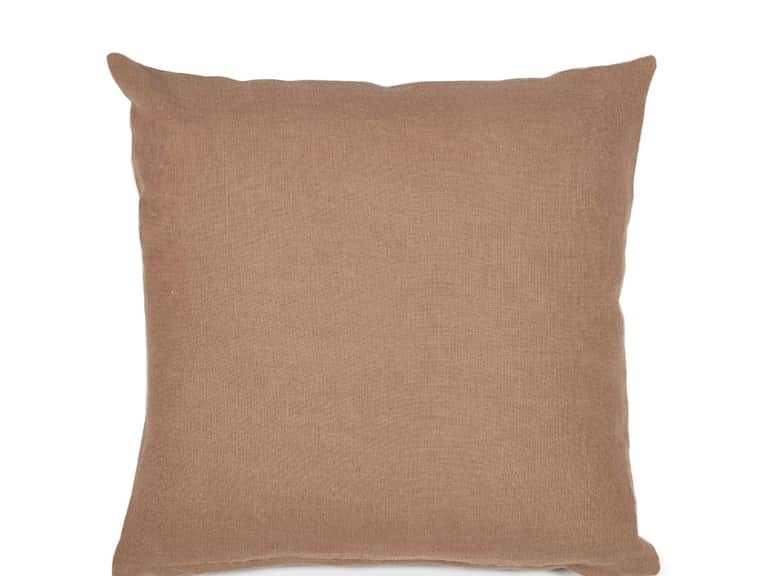
A pillow’s response can also be affected by the cover. A tightly fitted cover may make the fill feel more contained, while a softer fabric can lend the surface a more relaxed hand. The Naturally Organic Hudson pillow has a GOTS-certified organic cotton cover, according to its product information. Cotton and latex contribute different qualities: the cover is the surface against the sleeper’s skin, while the fill determines much of the pillow’s cushioning and rebound.
It helps to think in terms of the whole construction rather than a single appealing feature. A certified organic fill does not guarantee that a particular pillow will suit your preferred height. Likewise, a soft cover does not necessarily mean the pillow itself is soft. Consider how the fill responds, how much material is inside, and whether the maker provides a clear care and construction description.
Loft and sleeping position
Loft is the pillow’s height when it is resting under the head. It is one of the most personal elements of pillow selection because the right height depends on body shape, mattress feel, and sleep position. There is no universal measurement that works for everyone, and a pillow that feels supportive to one person may lift another person’s head too high or leave it without enough cushioning.
Side sleepers often need more height to fill the space between the shoulder and the head, though the appropriate amount varies with shoulder width and how deeply the mattress allows the shoulder to settle. Back sleepers may prefer a moderate loft that supports the natural curve of the neck without pushing the chin toward the chest. Stomach sleepers commonly look for a lower profile because excessive height can encourage the neck to angle upward or sideways. These are starting points for evaluation, not medical guidance or fixed rules.
When trying a pillow, notice where your head and neck settle rather than focusing only on how plush the surface feels. Ask whether the head seems level and whether the neck feels gently supported. A pillow can feel luxurious at first touch and still be too high for your usual position. Conversely, an initially unfamiliar resilient feel may become comfortable once you have rested on it for more than a few minutes.
For a pillow that is not adjustable, it is especially valuable to consider your preferred loft before purchasing. A fixed-fill design can be an excellent choice when its height and feel suit you, but it does not offer the same at-home customization as a model with removable fill. Check the listed dimensions and any available size information, and consult the seller if the actual loft is not specified. Standard, queen, and king sizing refers to pillow dimensions; it does not, by itself, indicate different lofts or levels of support.
Sleep position can change from night to night, so avoid treating one brief test as a perfect prediction. If you move between your back and side, you may want a pillow that feels supportive across both positions. Think about what you do most often, the mattress you sleep on, and whether you generally prefer a low, medium, or high pillow. Those details offer a more useful comparison than broad claims about a pillow being suitable for every sleeper.
Understanding organic certifications
For shoppers looking for an organic latex pillow, certification can make material claims easier to interpret. It is worth checking which component is certified, which standard is named, and whether the claim applies to the fill, the cover, or both. A pillow can combine materials with different certifications, so the label should be read as a description of specific parts rather than a vague promise about the entire product.
The Naturally Organic Hudson Shredded Latex Pillow is described as using GOLS-certified organic shredded Dunlop latex and a GOTS-certified organic cotton cover. These references point shoppers toward the stated standards for the latex and textile components. When comparing products, look for the certification name in the specifications and, where possible, consult the certifier’s current information to understand what the standard covers. Certification is a useful way to assess stated material credentials; it is not a substitute for considering comfort, construction, or care.
Material transparency also includes information about what a product is not. The product description identifies the fill as organic latex and says that no foam or chemicals are added. Shoppers with sensitivities should still read all available product information, consider their own needs, and contact the seller or manufacturer with questions about components. “Natural” and “organic” are not interchangeable descriptions, and neither term alone answers every question about processing or individual compatibility.
Labels can help bring clarity to a crowded bedding market, but they should not become the sole measure of a good choice. A pillow needs to feel comfortable and provide suitable support in actual use. Certifications, construction details, and clear care instructions together create a fuller picture—one that allows the shopper to compare material values with everyday function.
The cover is part of the experience
A pillow cover is more than a finishing layer. It is the fabric closest to the face, and its texture, breathability, and construction influence how the pillow feels in use. Organic cotton is valued for its familiar, soft hand and is commonly chosen by people who prefer natural-fiber bedding. The cover also helps contain and protect the fill, making its seams and fit relevant to the pillow’s long-term use.
Look for a clear description of the cover material and whether it can be removed. The Naturally Organic Hudson pillow’s description specifies an organic cotton cover but recommends spot-cleaning the pillow rather than washing it. That means it is sensible to plan for routine protection from the outset. A separate pillow protector can help shield the cover from perspiration, oils, and everyday soil while adding a removable layer that may be easier to launder, provided its care label allows it.
Do not assume that a cotton cover is machine-washable simply because cotton sheets often are. A cover may be sewn directly around the fill, or the complete pillow may have instructions that rule out immersion and machine washing. Before buying, check whether the case unzips, whether an inner enclosure is present, and whether the manufacturer provides separate instructions for the cover and the fill. When no removable cover is specified, treat the pillow as a unit that requires careful spot care.
A care routine that respects the material
Care instructions are central to choosing an organic latex pillow, not an afterthought. Latex products can be sensitive to inappropriate cleaning and prolonged exposure to heat or direct sunlight. For the Naturally Organic Hudson Shredded Latex Pillow, the listed guidance is to spot clean only, avoid direct sunlight and direct heat, and use a pillow protector. Following the product’s specific directions is more reliable than applying general laundry habits to a material with different needs.
For a small mark, begin by checking the manufacturer’s current instructions. If spot cleaning is permitted, use a light touch and avoid saturating the pillow. Excess moisture can be difficult to remove from enclosed fill, and aggressive rubbing may disturb the cover or material. Allow any cleaned area to dry thoroughly in a well-ventilated place away from direct heat and sun, unless the maker gives different directions. If a stain is substantial or the pillow has been wet through, ask the seller or manufacturer for advice rather than experimenting with soaking or machine washing.
Regular protection can reduce the need for cleaning. A properly fitted pillow protector creates a washable barrier between the pillow and the pillowcase. Wash the protector and outer pillowcase according to their own labels, and let them dry completely before returning them to the bed. Keeping the bedding routine consistent can help maintain a fresh sleep surface without exposing the latex fill to unnecessary moisture.
It is also helpful to let the bed air briefly when changing the sheets, especially if the room has been warm or humid. Avoid storing latex bedding in a hot, damp place, and do not leave it in direct sunlight for extended periods. These small habits are not complicated, but they respect the pillow’s materials and may help preserve its feel over time.
Finally, do not rely on a generic care label from a different latex product. Some pillows have removable, washable covers; others do not. Some contain adjustable fill; others are fixed. Construction determines what care is appropriate, so use the instructions supplied with the exact pillow you own. When in doubt, a cautious spot-cleaning approach and a protective cover are preferable to washing the entire pillow without permission from the maker.
Comparing latex with other pillow fills
Every fill has its own character. Down and feather pillows are often selected for their softness and compressibility, while synthetic alternatives can offer familiar loft at a range of price points. Memory foam is commonly associated with slower contouring, whereas latex tends to respond more quickly and spring back more readily. These are broad tendencies: construction, density, cover fabric, and fill quantity can make two pillows within the same material family feel noticeably different.
Shredded latex occupies an interesting middle ground. It can contour more flexibly than a single firm core, yet it usually retains more buoyant resistance than fills that flatten easily. If you are moving from a down-like pillow, the more resilient pushback may take some getting used to. If you are moving from a slow-response foam pillow, latex may feel quicker and less enveloping. Comfort is personal, so the most meaningful comparison is how a pillow supports your head and neck in your usual sleeping position.
It is also useful to separate material preference from maintenance preference. Someone drawn to organic components may still decide that a pillow requiring spot cleaning is not the right practical fit. Another shopper may welcome the material profile and be comfortable using a protector and following careful care instructions. A sound choice brings these considerations together instead of treating one feature as decisive.
A considered checklist before you choose
Before settling on an organic latex pillow, pause over a few practical questions. The answers can help turn a broad search into a more personal shortlist:
- What fill is used? Confirm whether the pillow contains shredded latex or a molded latex core, and look for a clear description of the latex type.
- Is the fill adjustable? Do not infer adjustability from the word “shredded.” Check whether the pillow can be opened and its fill changed.
- How will the loft work for you? Consider your typical sleeping position, mattress feel, and preference for a lower or higher pillow.
- Which components are certified? Note whether certification applies to the latex, the cotton cover, or another part of the construction.
- What is the cover made from? Check its fiber content, whether it is removable, and whether separate laundering instructions are provided.
- How should the pillow be cleaned? Read the care directions before purchase, particularly if you expect to machine-wash bedding frequently.
- Would a protector suit your routine? A washable protector can help keep a spot-clean-only pillow’s surface cleaner between changes of the outer pillowcase.
This kind of checklist is deliberately practical. It brings together the tactile questions—spring, softness, and contour—with the less glamorous but equally important details of maintenance and construction. A pillow is a daily-use object; the best choice is one whose materials and care fit naturally into your life.
A quieter kind of comfort
The appeal of an organic latex pillow lies in the interplay of material and sensation: a responsive fill, a cushioning surface, and a cover selected with equal care. Shredded latex may offer a more yielding, contouring feel than a single molded piece, but the exact result depends on the pillow’s design. Loft should be considered in relation to sleeping position, while certification details can clarify what is used in the fill and cover.
The Naturally Organic Hudson Shredded Latex Pillow brings these elements into focus with its stated GOLS-certified organic Dunlop latex, GOTS-certified organic cotton cover, and springy support. Its fixed, non-adjustable construction and spot-clean-only care instructions are equally important parts of the picture. Together, these details make it easier to decide whether the pillow’s materials, feel, and upkeep align with your priorities.
Choosing well is less about chasing a single promise than about finding a balance that feels right: enough support without excessive height, a surface that welcomes the skin, materials you understand, and care requirements you can sustain. When those considerations come together, the pillow becomes more than a finishing touch. It is a thoughtful foundation for the small, restorative ritual of settling in for the night.